Get Residential Roof Replacement
Residential roof replacement services help property owners address damaged, aging, or worn roofs by involving local contractors to install new roofing systems.
Homeowners considering a residential roof replacement often look into their options to ensure their property remains protected and maintains its value. Whether dealing with age-related wear, storm damage, or simply planning for future needs, exploring local contractors can provide valuable insights into available solutions. This process involves comparing different service providers to find those best suited to handle the specific requirements of your roof, giving you confidence in making informed decisions for your property.
Property owners in the area may find it practical to seek out local contractors who understand regional weather patterns and building codes. Connecting with experienced professionals can help streamline the planning process and ensure the work aligns with local standards. Keep reading to discover how local service providers can assist in evaluating your options and managing your roof replacement project effectively.
- Residential Roof Replacement - needed when a roof has sustained extensive damage or is nearing the end of its lifespan.
- Asphalt Shingle Roof Replacement - suitable for homeowners seeking a durable and cost-effective roofing upgrade.
- Tile Roof Replacement - required when existing tile roofs are cracked, broken, or no longer provide adequate protection.
- Wood Shake Roof Replacement - necessary for roofs showing signs of rot, decay, or fire damage.
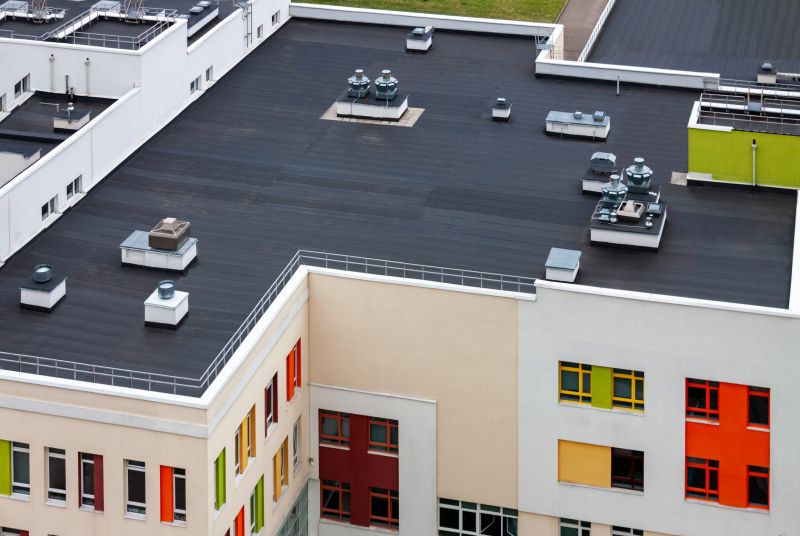
- Flat Roof Replacement - essential for commercial or residential buildings with flat roofing systems experiencing leaks or deterioration.
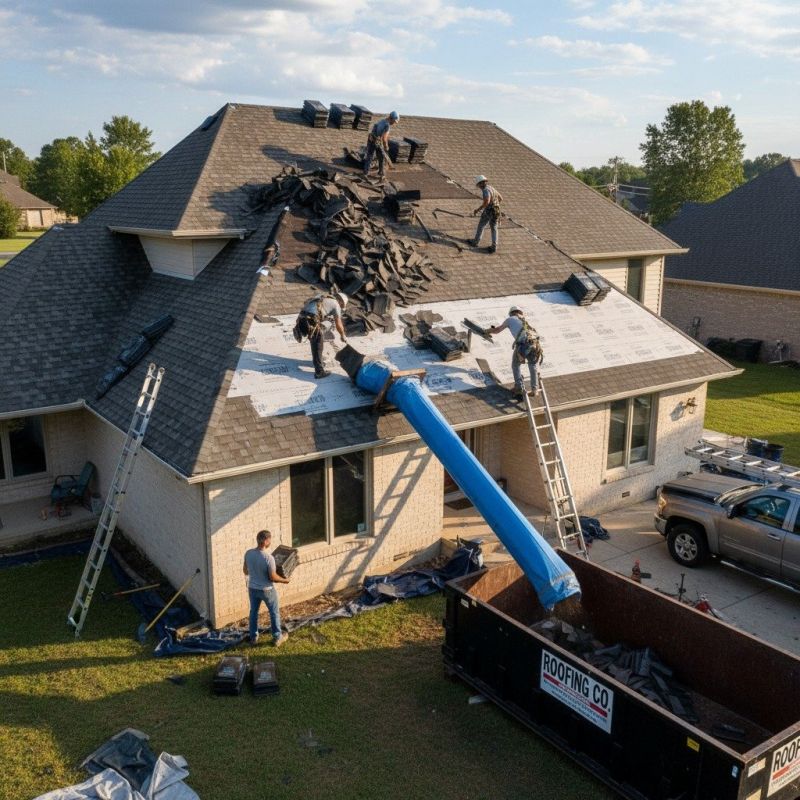
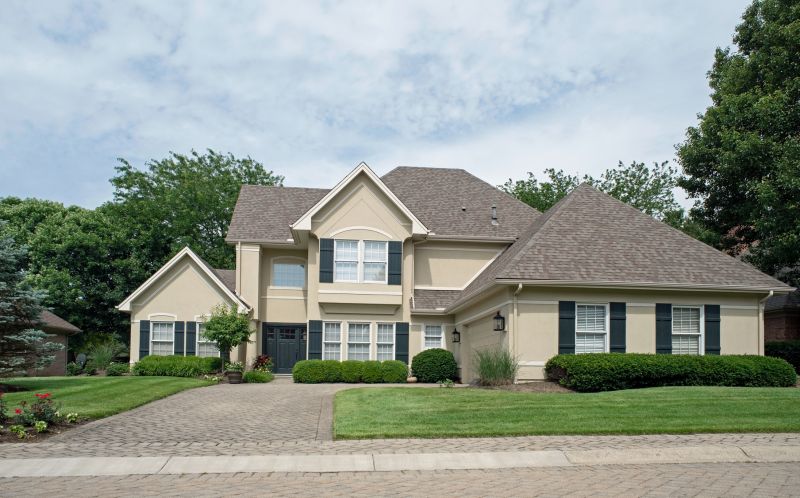
Residential roof replacement services involve removing an existing roof and installing a new one to ensure the home remains protected from the elements. This process typically includes inspecting the current roof for damage, selecting appropriate roofing materials, and carefully installing the new roof to meet the property's specific needs. Homeowners can rely on local contractors to handle all aspects of the replacement, from tearing off the old roofing to completing the final layers, ensuring the job is done correctly and efficiently. Proper installation not only enhances the appearance of a home but also contributes to its overall structural integrity and long-term durability.
Replacing a roof can help address a variety of problems that develop over time. Common issues include extensive shingle damage, leaks, water infiltration, and rotting wood or other structural components. These problems can lead to increased energy costs, interior water damage, and the risk of further deterioration if left unaddressed. A roof replacement is often recommended when repairs become frequent or when the existing roof has reached the end of its useful life. By upgrading to a new roof, homeowners can prevent costly damage and improve the safety and comfort of their living space.
This service is frequently used on a range of property types, including single-family homes, multi-family residences, and small commercial buildings. Homes with aging roofs or those that have experienced severe weather events often benefit from replacement. Additionally, properties undergoing renovations or upgrades may choose roof replacement to match new design elements or improve energy efficiency. Whether a residence is a traditional house, a modern custom build, or a historic property, local contractors can tailor roof replacement solutions to fit the specific style and requirements of each property.
Homeowners should consider a roof replacement when signs of significant wear or damage become evident. Indicators include missing or curling shingles, persistent leaks, visible sagging, or excessive granule loss in gutters. If a roof has been in place for several decades, it may also be nearing the end of its lifespan. In such cases, replacing the roof can restore the home's protection, improve its curb appeal, and potentially increase its value. Contacting local service providers can help determine if a roof replacement is the appropriate solution based on the property's condition and specific needs.
The overview below groups typical Residential Roof Replacement projects into broad ranges so you can see how smaller, mid-sized, and larger jobs often compare in your area.
In many markets, a large share of routine jobs stays in the lower and middle ranges, while only a smaller percentage of projects moves into the highest bands when the work is more complex or site conditions are harder than average.
Smaller Repairs - minor roof repairs typically cost between $250 and $600, covering issues like small leaks or damaged shingles. Many routine repairs fall within this range, depending on the extent of the damage. Larger or more complex repairs can exceed this range but are less common.
Partial Roof Replacement - replacing a section of a roof usually costs between $1,500 and $4,000, depending on the size and materials used. Many projects in this category stay within this range, while more extensive replacements may push higher for additional labor or material costs.
Full Roof Replacement - a complete roof replacement generally ranges from $5,000 to $15,000, with larger or more elaborate projects reaching $20,000+ in some cases. Most typical full replacements fall into the mid-range, with higher costs associated with premium materials or complex roof designs.
Complex or Large-Scale Projects - large or highly complex roof replacements can cost $20,000 or more, especially for high-end materials or challenging architectural features. Such projects are less common but represent the upper end of typical cost ranges for residential roof replacements.
Actual totals will depend on details like access to the work area, the scope of the project, and the materials selected, so use these as general starting points rather than exact figures.
Attic Insulation Installation - This project involves planning and executing insulation upgrades, requiring similar skills in assessing roofing structures and ensuring proper ventilation.
Gutter Replacement Services - Gutter installation and replacement share tools and planning considerations with roof replacement, focusing on water management and roof integrity.
Skylight Installation - Installing skylights involves working with roofing materials and planning for weatherproofing, making it related to roof replacement projects.
Roof Leak Repair - Repairing roof leaks demands similar assessment and repair skills, often requiring knowledge of roofing materials and damage evaluation.
Siding Replacement Services - Siding installation involves working on exterior structures and planning, paralleling the skills used in roofing projects.
Chimney Repair and Rebuilding - This project involves structural planning and working with roofing components, making it relevant to residential roof replacement tasks.
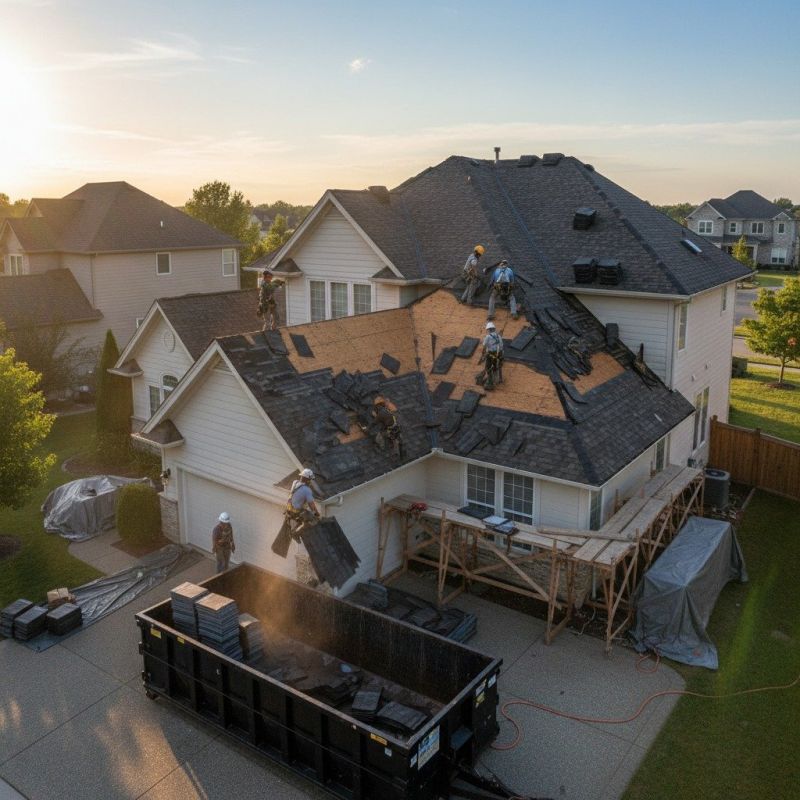
When comparing local contractors for residential roof replacement, it is important to consider their experience with similar projects. An experienced service provider will have a track record of handling roof replacements comparable to the scope and style of your home. This background can indicate their familiarity with different roofing materials, installation techniques, and common challenges that may arise during the process. Asking for details about their past work on similar homes can help ensure they have the relevant expertise to meet your specific needs.
Clear and detailed written expectations are essential when evaluating potential service providers. A reputable contractor should be able to provide a thorough outline of the work scope, materials to be used, and the steps involved in the project. Having this information in writing helps prevent misunderstandings and ensures both parties are aligned on what will be delivered. It also provides a basis for comparing proposals and assessing whether a contractor’s approach matches your expectations for quality and thoroughness.
Reputable references and good communication are key indicators of a reliable roofing contractor. Requesting references from previous clients allows homeowners to gain insights into the contractor’s performance, professionalism, and ability to complete projects satisfactorily. Additionally, a service provider who communicates clearly and promptly demonstrates professionalism and a commitment to keeping clients informed throughout the process. When considering different local options, these qualities can help identify contractors who are trustworthy and easy to work with, making the entire project smoother and more predictable.
Property owners use Residential Roof Replacement services for practical projects around their homes and businesses. This guide focuses on everyday jobs and straightforward project options.
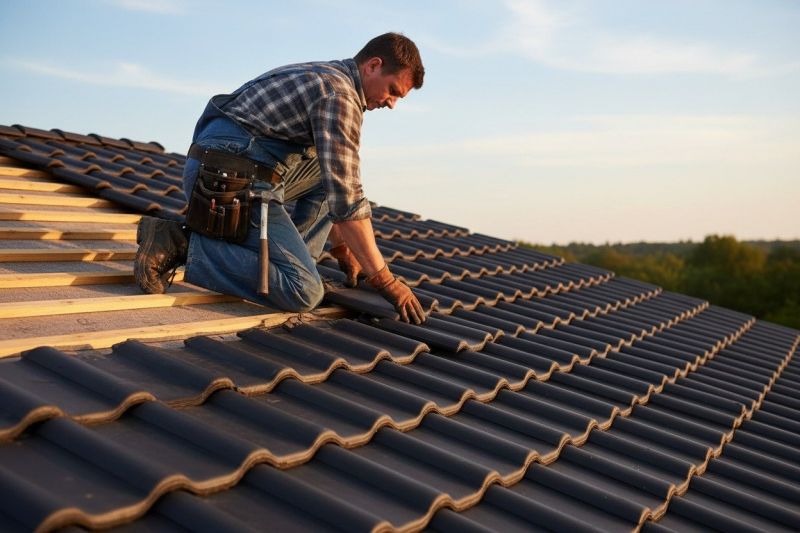
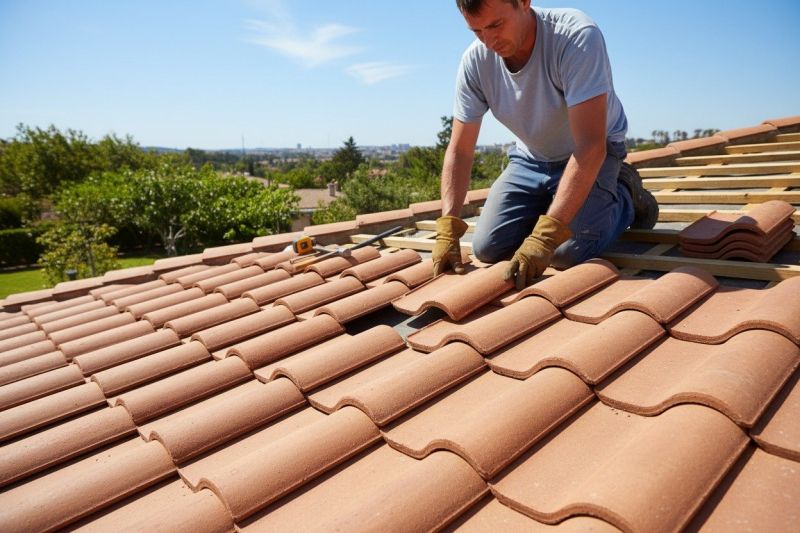
Residential roof replacement is a common project for property owners dealing with aging, damaged, or worn-out roofs. Whether a roof has developed leaks, shows signs of extensive wear, or has suffered storm damage, local contractors can provide solutions to restore the integrity and appearance of the home. Homeowners often seek these services to prevent further issues, improve energy efficiency, or simply upgrade to a more durable roofing material that better suits their needs.
Many property owners in the area look for roof replacement services when their current roof no longer performs as it should or has reached the end of its expected lifespan. Weather events, such as heavy storms or wind, can also prompt a need for timely replacement. Local service providers are equipped to handle these situations, offering options to replace or upgrade roofs to ensure long-term protection and peace of mind for homeowners.
What are the signs that a roof needs to be replaced? Common indicators include missing or damaged shingles, persistent leaks, and widespread aging or deterioration of roofing materials.
How do local contractors handle residential roof replacements? They typically assess the roof’s condition, recommend suitable materials, and perform the replacement following industry standards and safety practices.
What types of roofing materials are available for replacement projects? Options often include asphalt shingles, metal roofing, wood shakes, and other durable materials suited for residential homes.
Can a roof replacement improve the energy efficiency of a home? Yes, replacing an old or damaged roof with modern, well-installed materials can help improve insulation and reduce energy costs.
How can I find qualified service providers for a roof replacement? Contacting local contractors through a lead generation platform can connect homeowners with experienced professionals in the area.
Assessing Roof Damage - Property owners can use this service to evaluate signs of wear or damage that may require replacement, such as leaks or missing shingles.
Planning a Roof Replacement - Homeowners can explore options for replacing an aging roof to improve home safety and curb appeal.
Upgrading Roof Materials - Property owners might consider switching to more durable or energy-efficient roofing materials for long-term savings.
Scheduling Maintenance or Repairs - Homeowners can arrange for repairs or maintenance to extend the life of their current roof before a full replacement is needed.
If you are thinking about Residential Roof Replacement for a property, this guide is meant to help you understand the work, the typical project types, and how different options might fit your plans.
When you are ready, you can use the quote form on this page to share a few details about your project. From there, local pros can review the basics and respond with options that match what you have in mind.